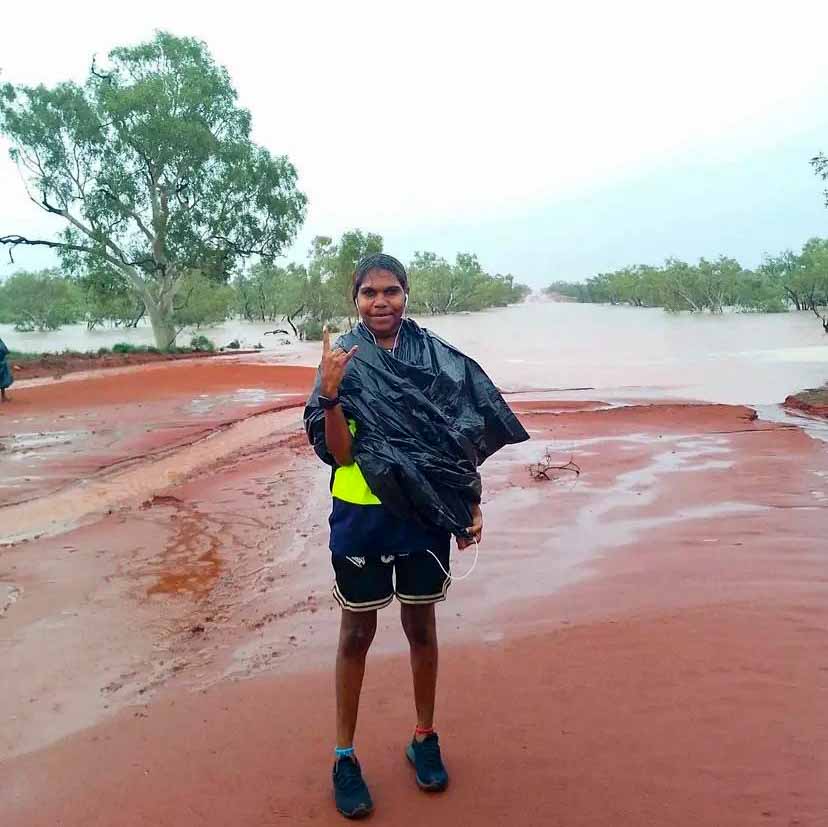
Remote First Nations communities are once again facing insecure food supplies due to major flooding.
Massive rainfall across remote WA and the NT has cut road access to many of the First Nations communities where EON Aboriginal Foundation works. In some places, roads may remain closed for weeks.
When supply trucks can’t get through, the impact is felt immediately. Fresh fruit and vegetables disappear from store shelves. Food becomes scarce and more expensive. Families are left with fewer choices.
In one of the wealthiest countries in the world, it is confronting that children and families can still face empty shelves when supply chains are disrupted.
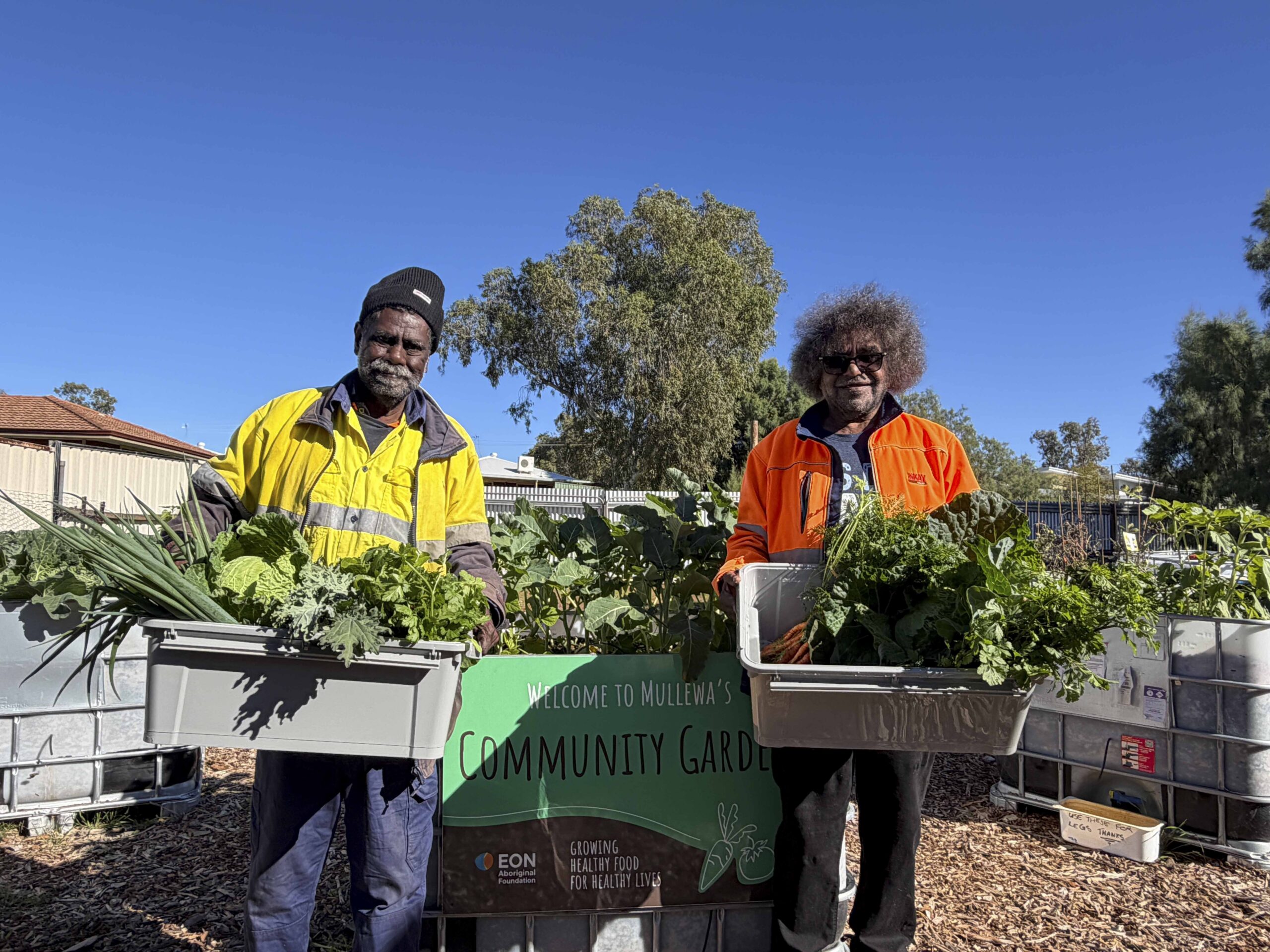
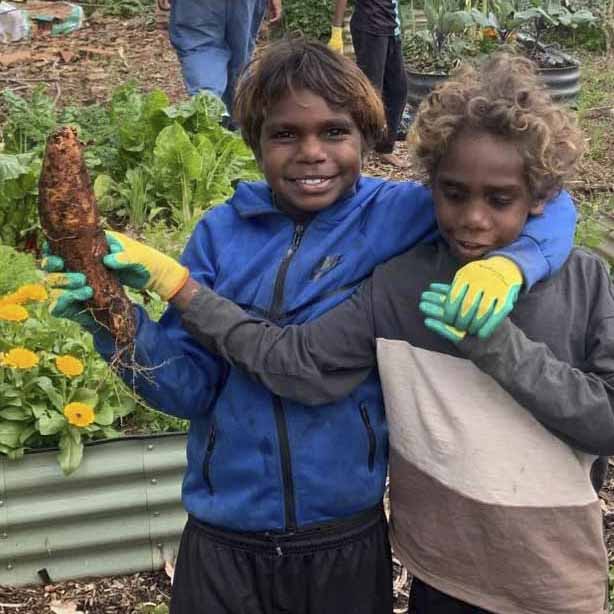
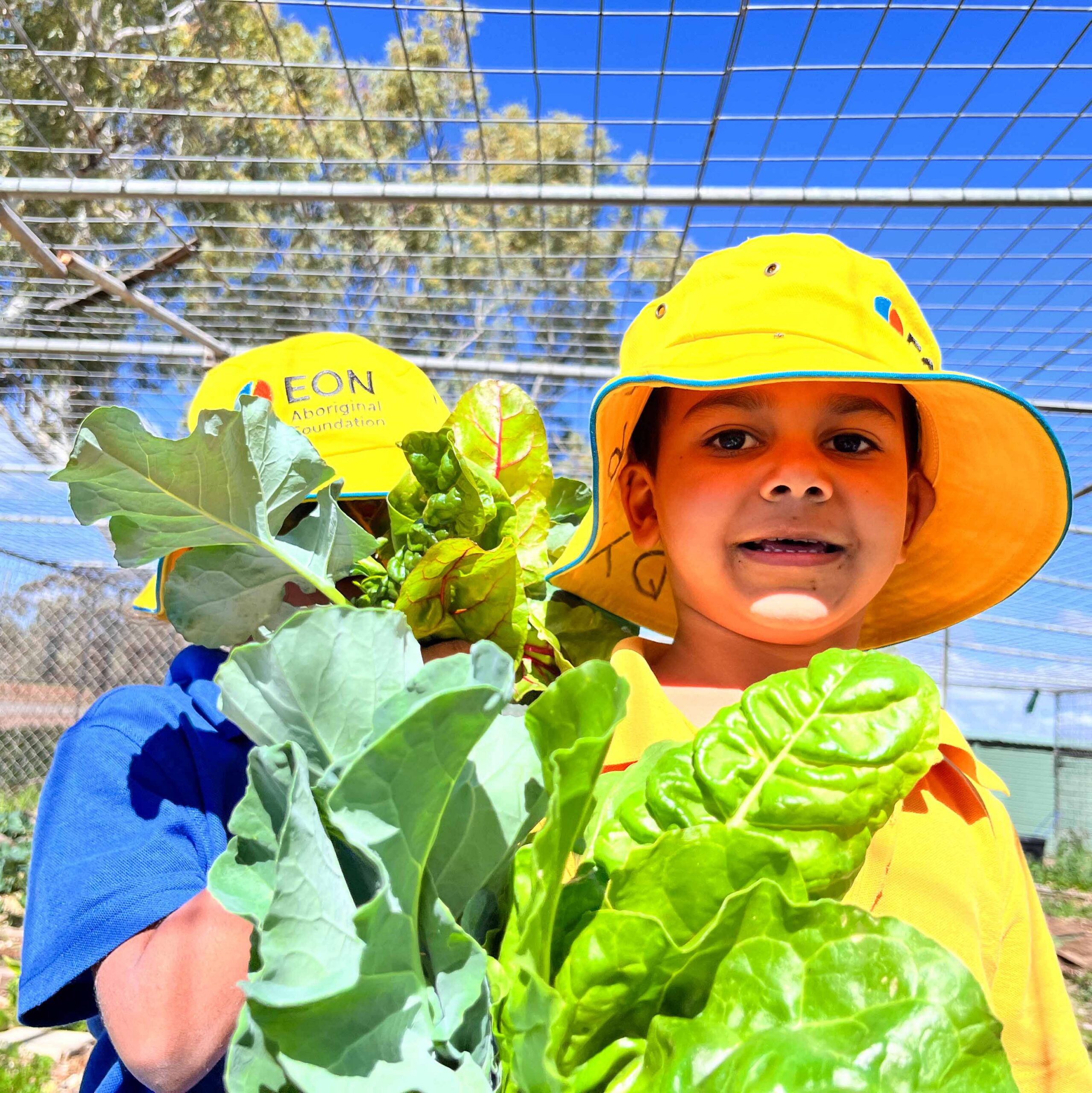
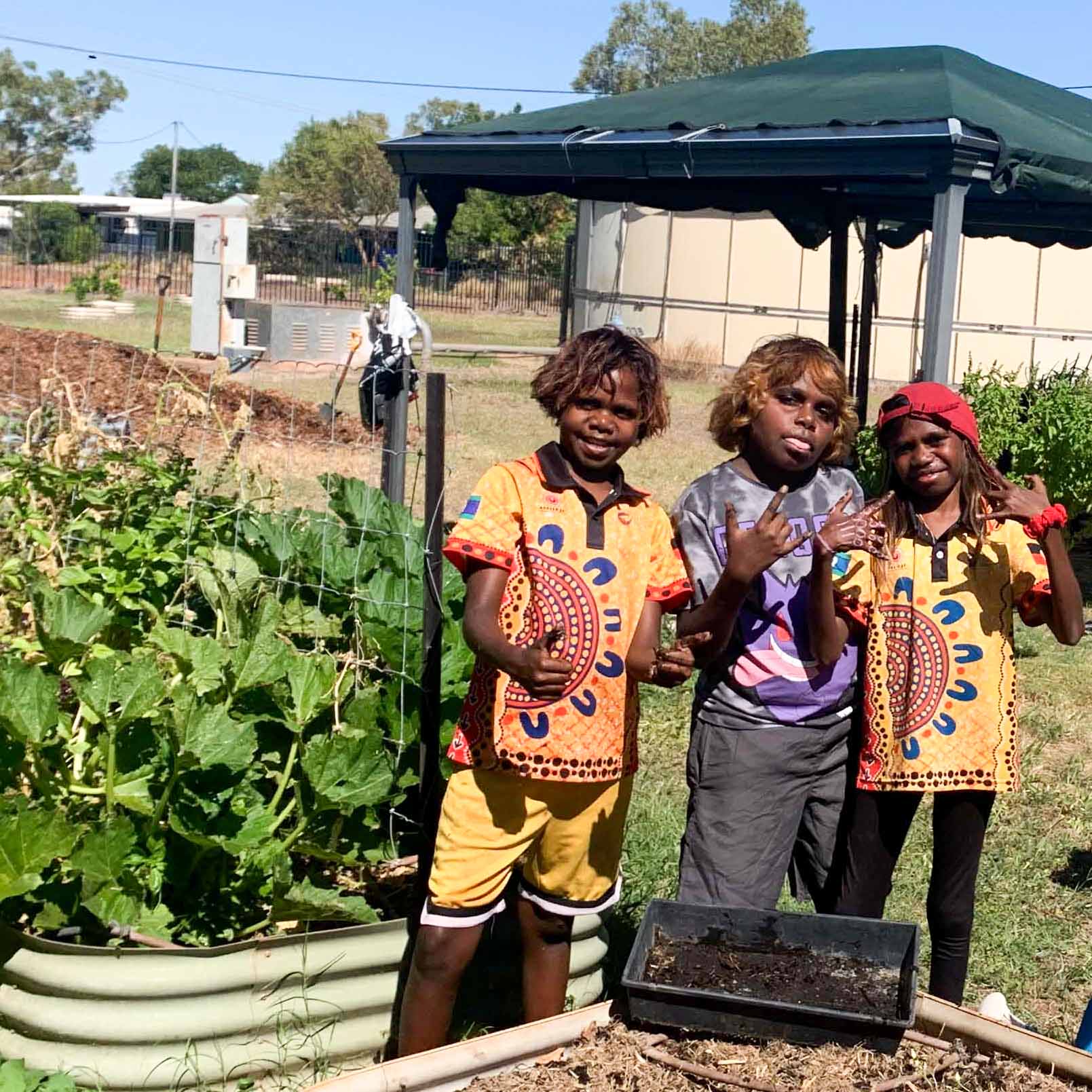
These moments highlight just how fragile remote food systems can be and why strengthening reliable, community-based sources of fresh food matters. When communities have the skills and infrastructure to grow, cook and preserve food locally, they are less dependent on long and vulnerable supply chains.
We acknowledge the steps being taken under the leadership of the Minister for Indigenous Australians and the growing national focus on food security, while recognising that much more remains to be done.
We also welcome the recent Yamagigu Consulting report on Food Security in Remote First Nations Communities. Following extensive consultation, it confirms what communities have long said: priorities for action include growing and producing food locally, and building practical life skills such as cooking, budgeting and healthy eating.
Most importantly, our thoughts are with the communities navigating these disruptions – once again.
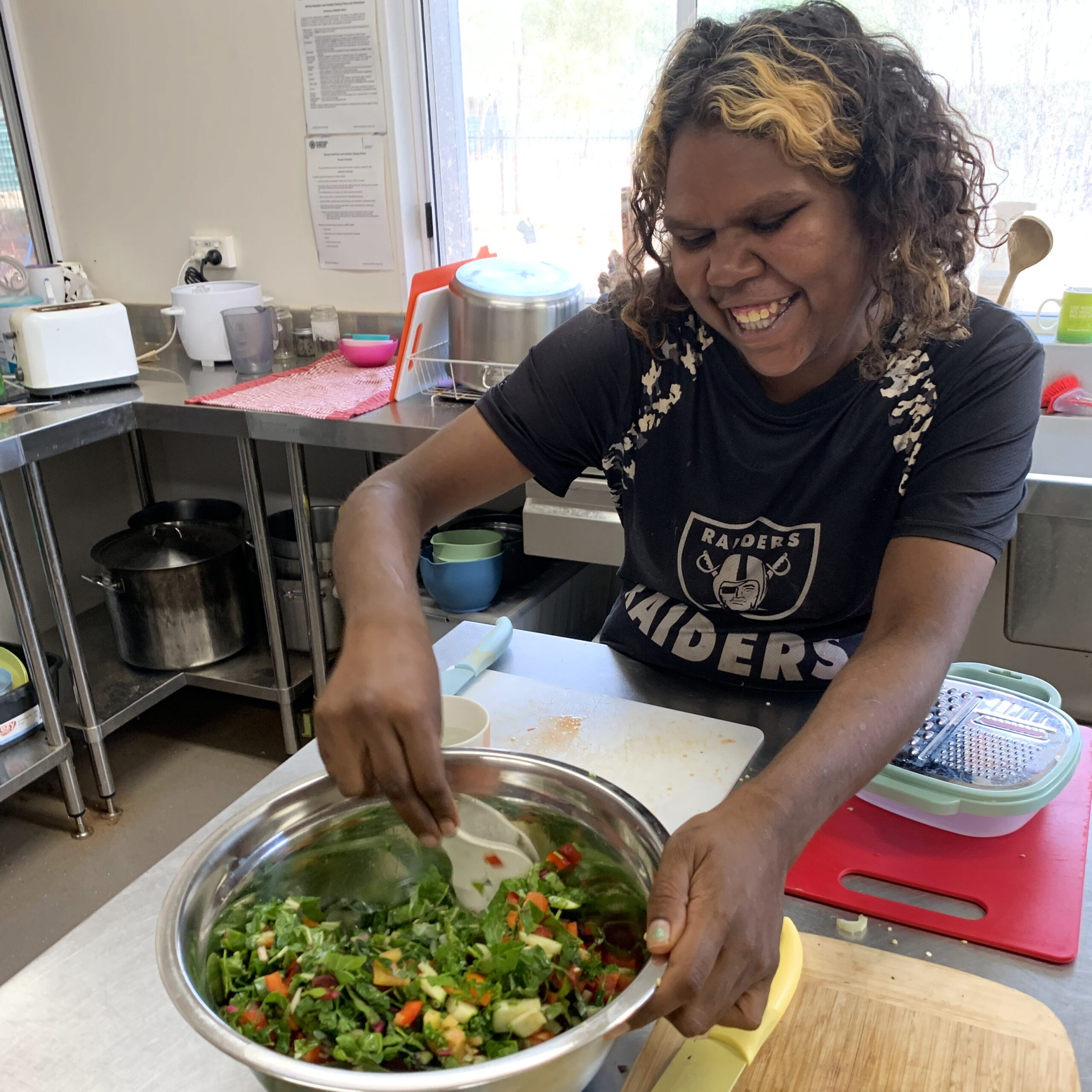
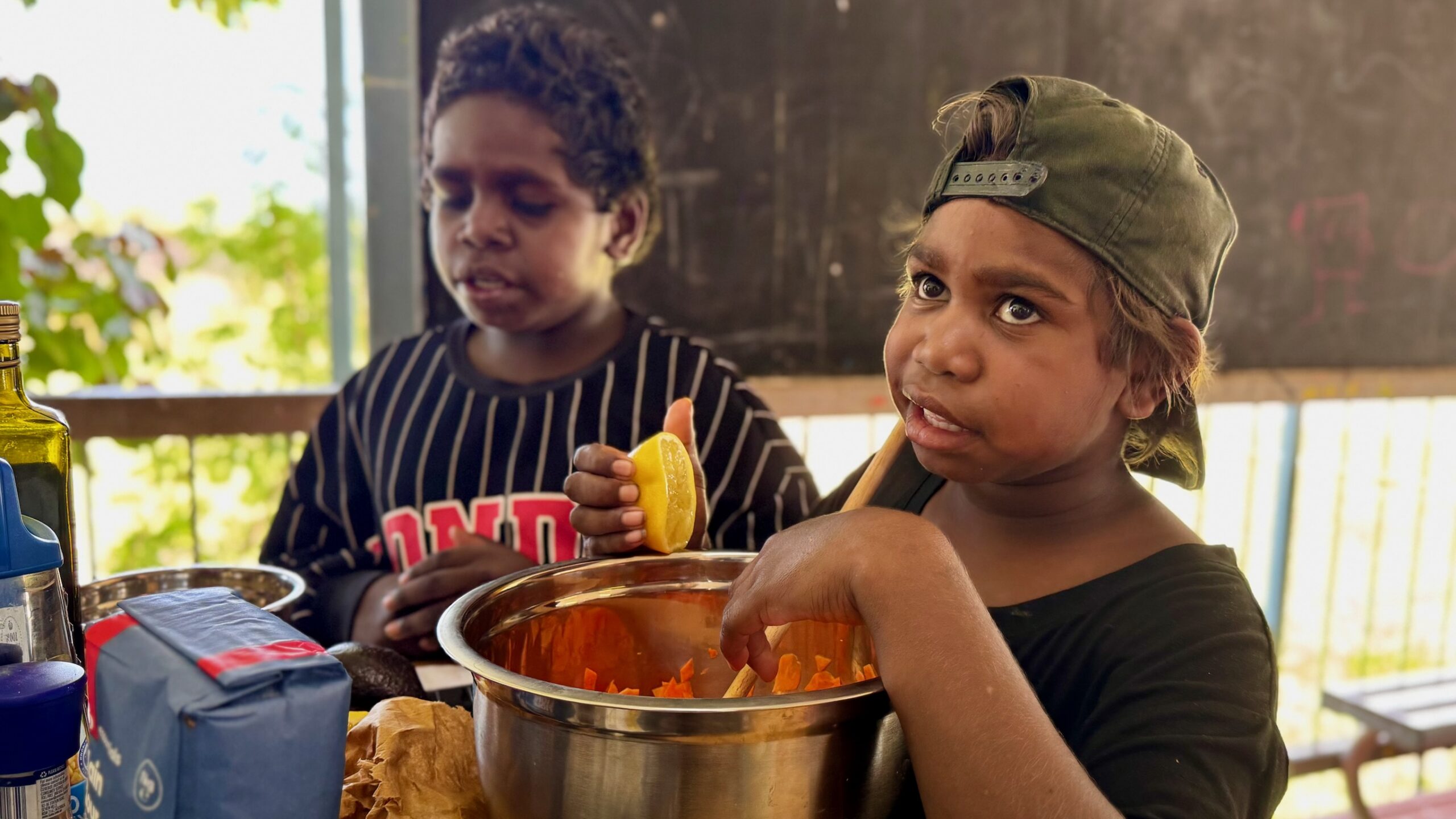
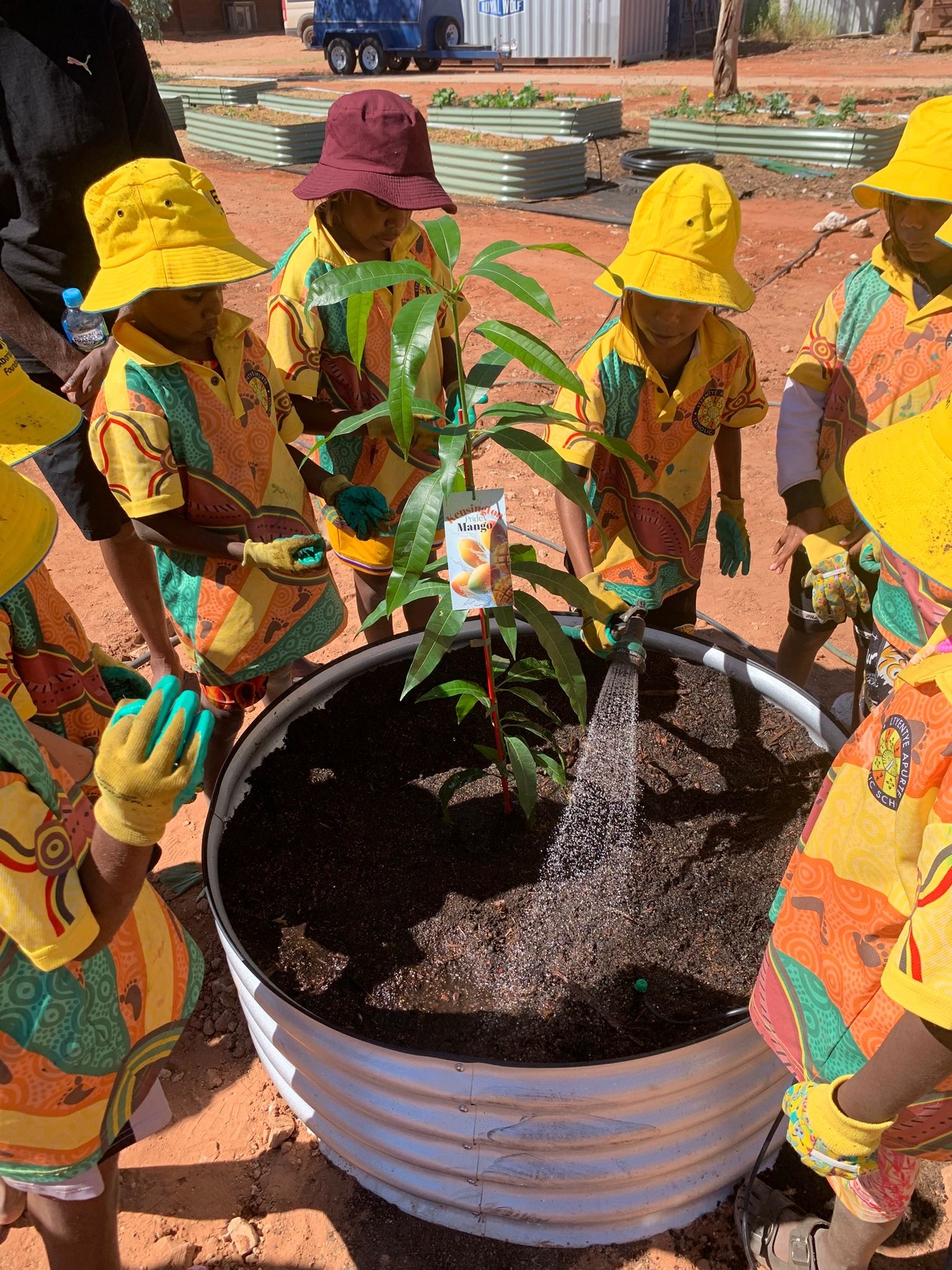
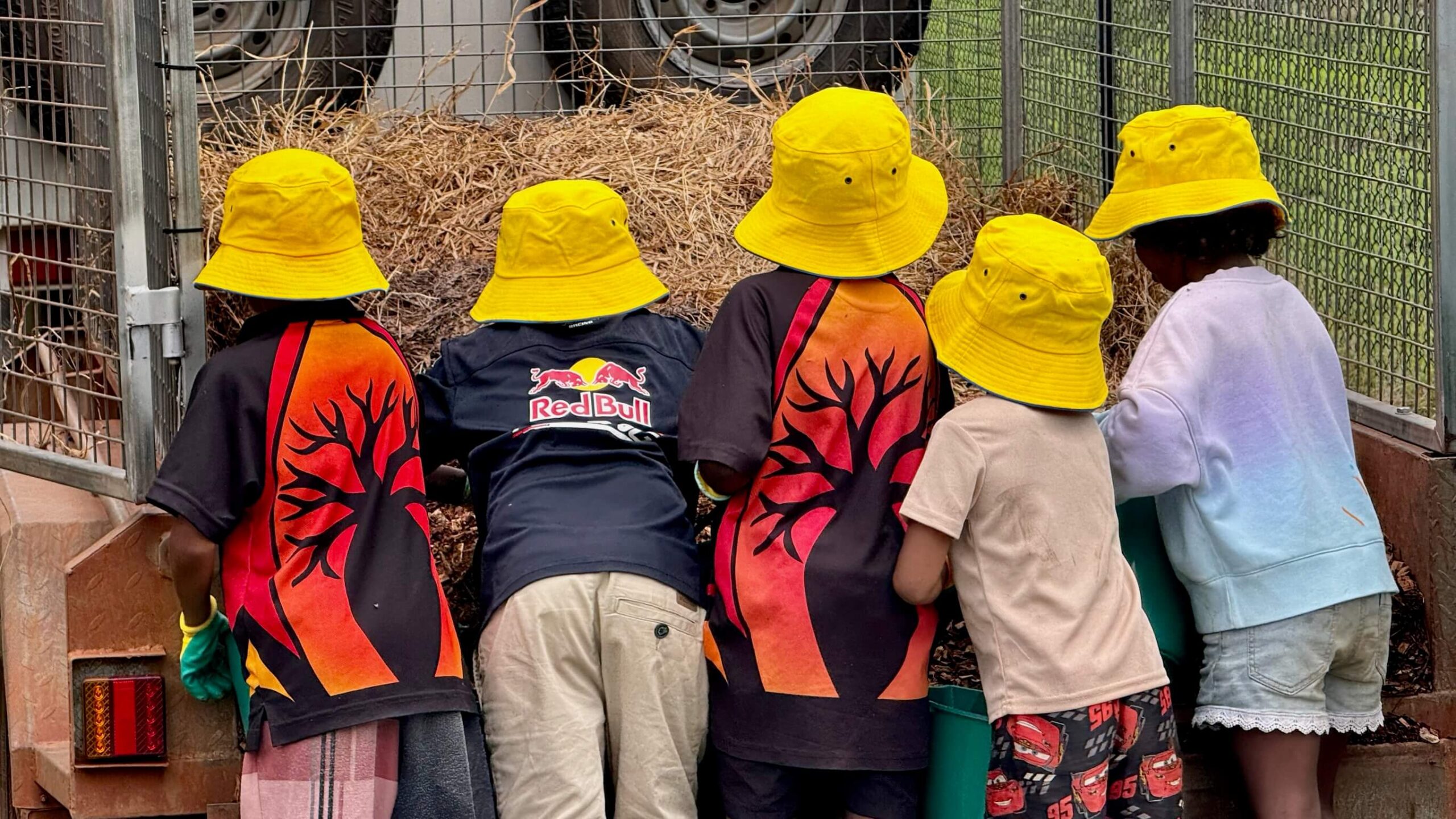
Every day, through school gardens and community kitchens, EON works alongside communities to strengthen these skills and build local food resilience for the future.
[Photo credit: Action Alice Springs Photo Location: Ampilawatja]